
What an AGV actually changes on a warehouse floor
Automated guided vehicles move materials along defined paths so humans spend less time on repetitive haulage. They do not magically redesign a chaotic layout. Successful projects start with clear aisles, predictable pick dens, and honest traffic rules between forklifts and pedestrians. If walking paths already collide at peak hour, software will inherit that conflict.
Category explainers on automated guided vehicle systems help teams compare guidance methods and payload classes before requesting demos.
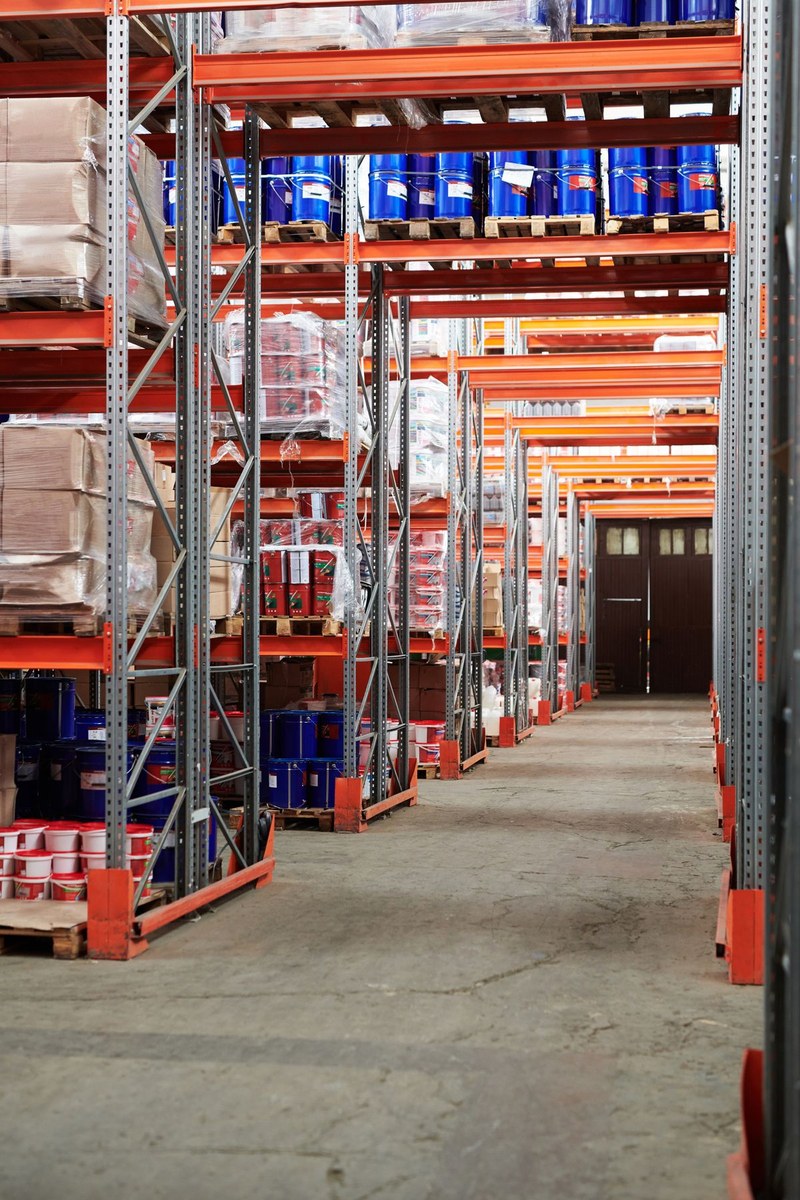
The International Organization for Standardization publishes safety standards relevant to industrial trucks and automation contexts. Malaysia’s Department of Occupational Safety and Health (DOSH) sets workplace safety expectations that still apply when robots share floors with people. Read both when drafting risk assessments, then tailor controls to your site map.
Dock edges still decide many injuries
Loading bays remain high-risk even in semi-automated sites. Height mismatches between trailers and docks cause strain and product damage. Understanding dock leveller roles helps operations teams see why AGV projects often need parallel investment at the building edge rather than only in aisle robots.
Inspect seals, bumpers, and lighting during night shifts. Daytime audits miss glare and shadow problems drivers complain about after sunset.
Forklift safety remains part of the same system
Even with AGVs, forklifts often handle exceptions, yard moves, and awkward loads. Proximity alerts and speed governance reduce collision severity when mixed traffic is unavoidable. Resources on forklift safety systems belong in the same programme budget as automation, not as an afterthought after the first near miss.
Train temporary workers with the same route discipline as permanent staff. Most incidents cluster around unfamiliar traffic patterns during peak seasons.
Pilot metrics that mean something
Track throughput, idle time, manual interventions per shift, and near-miss reports. A silent dashboard that only shows robot uptime hides human workarounds. Interview operators after week two, not only after the launch ribbon photo.
Document map changes whenever racks move. Stale navigation maps create avoidable stops that look like equipment failure.
Mixed traffic rules when AGVs share aisles with people
Automated guided vehicles reduce repetitive haulage only when pedestrians, forklifts, and robots obey the same traffic grammar. Paint and signage that worked for human drivers alone often fail when a silent AGV approaches from a blind rack end. Redesign intersections with mirrors, speed governors, and clear right-of-way rules before go-live, then rehearse them with temporary staff who arrive during peak season.
Map emergency stop locations so any worker can halt a vehicle without hunting through a tablet menu. Include dock levellers, seals, and night lighting in the same risk register as aisle robots; many injuries still cluster at trailer edges while automation discussions stay stuck on software features.
Spare-part lead times in Malaysia can stretch if critical sensors are imported. Align maintenance contracts with realistic replenishment windows and keep a small buffer of high-failure wear items on site. Stale navigation maps after rack moves create stoppages that look like equipment failure but are really change-control failures.
What pilot metrics should expose after week two
Robot uptime alone hides human workarounds. Track manual interventions per shift, near-miss reports, idle time at chokepoints, and how often operators override paths. Interview floor staff after week two, when novelty has worn off and real congestion patterns appear. Those conversations usually reveal floor grade issues, glare at dock doors, or training gaps that a launch dashboard never shows.
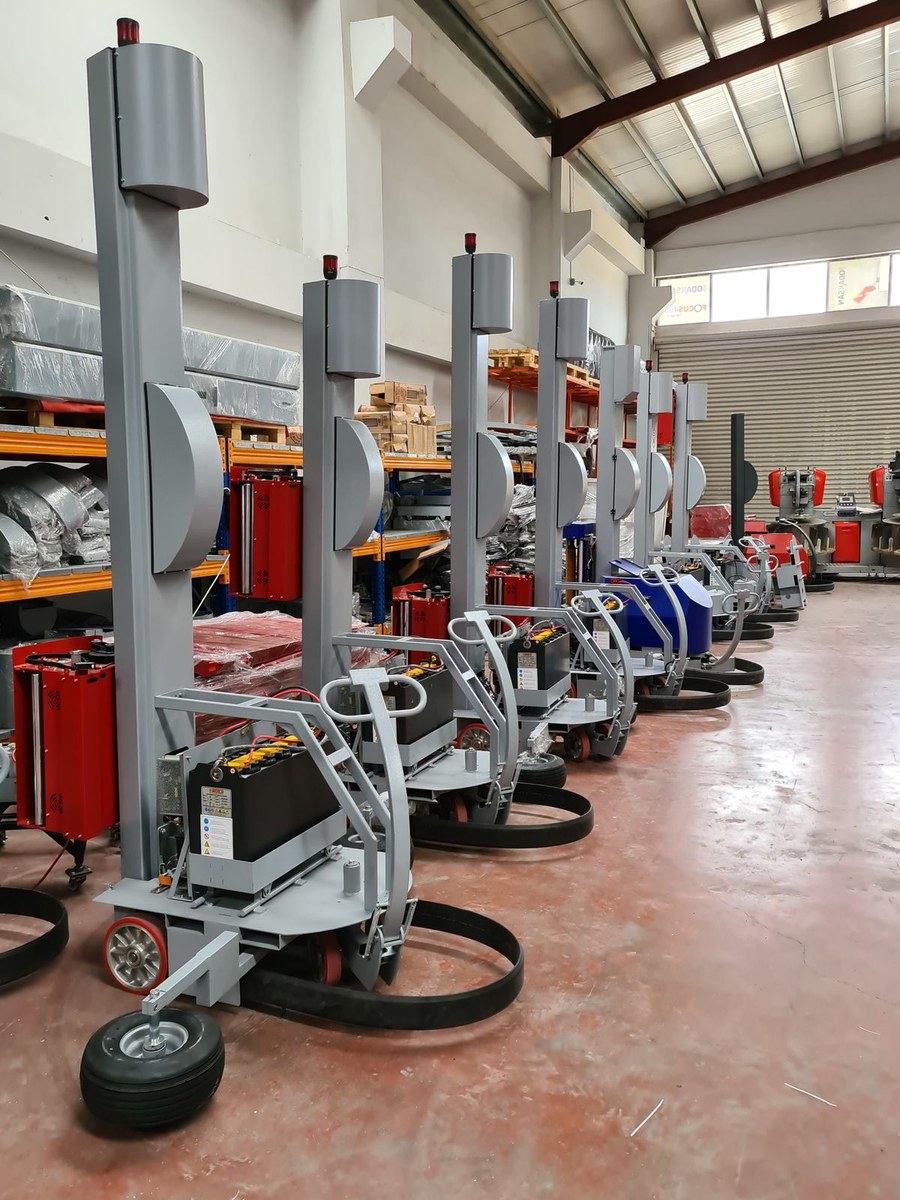
Automation amplifies whatever discipline already exists on the floor. Sites that fix aisle truth and dock edges first get cleaner learning curves than sites that buy features into a chaotic layout.