
Three cancers, three very different first clues
Brain tumours, breast cancer and leukaemia rarely get discussed in the same breath, yet they share one awkward feature. Their early signals look ordinary. A headache, a small lump, a cold that hangs around for weeks. Most of the time those things turn out to be nothing serious, which is exactly why people wait. This piece walks through what each group of symptoms can look like, which patterns deserve a proper appointment, and what usually happens once you are sitting in front of a doctor in Malaysia.
None of this replaces a clinical opinion. Think of it as a way to describe your symptoms clearly, so the first consultation is more useful.
Headaches that change their habits
Almost everyone gets headaches, and only a tiny share of them come from a growth inside the skull. The thing doctors pay attention to is a shift in pattern. A headache that wakes you at night, feels worst soon after getting up, or arrives with vomiting, blurred vision, new weakness on one side, a first seizure or a shift in personality is a different story from a tension headache after a long day at the screen.
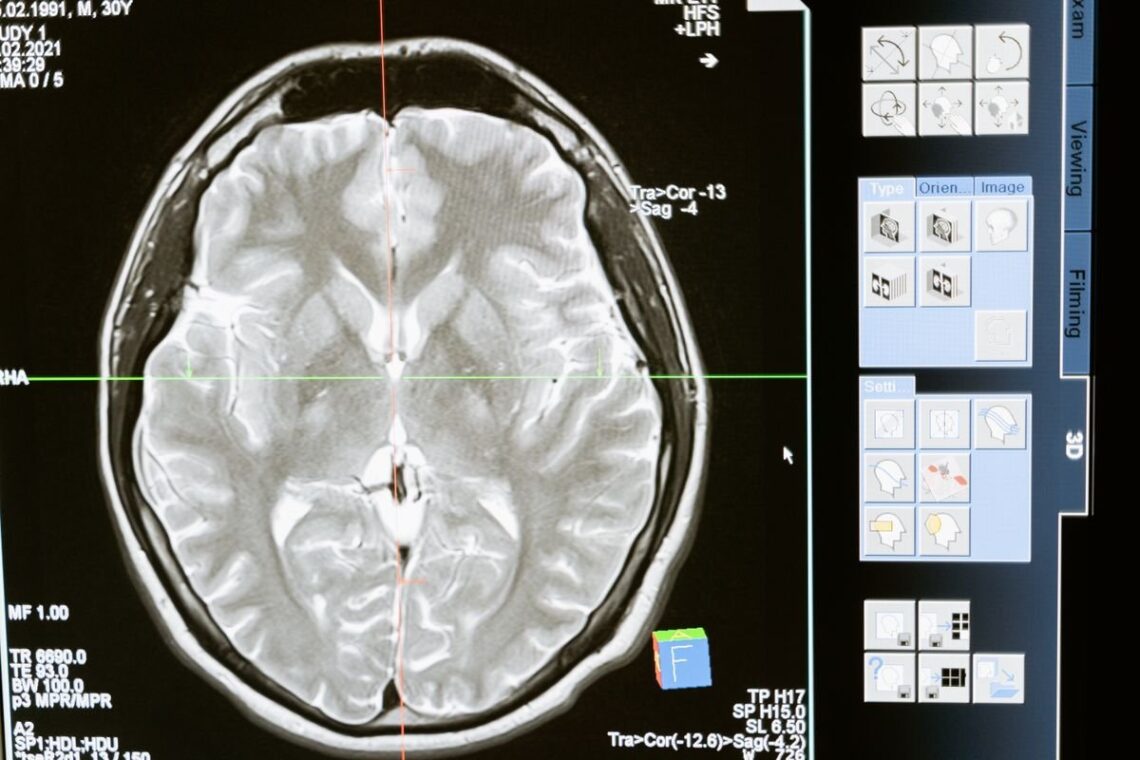
Tumours in the brain and spinal cord can be benign or malignant, and the National Cancer Institute’s brain tumour pages show how many separate types sit under that one label. Location often matters as much as type, because a slow benign growth pressing on a sensitive area can still cause real problems. For a local walk-through of how brain tumours are assessed and treated, including where surgery and focused radiation fit, a specialist centre’s own explainer is a reasonable next read.
Expect a neurological exam first: eye movements, reflexes, balance, grip strength. Scans come after that if the exam or your history points that way.
Breast changes worth a closer look
A painless lump is the classic sign, but it is not the only one. Skin that dimples or puckers like orange peel, a nipple that turns inward when it did not before, unusual discharge, or one breast changing size or shape are all worth reporting. The World Health Organization fact sheet on breast cancer makes a point many people find reassuring: most breast lumps are not cancer, yet any abnormal lump should still be checked, even when it does not hurt.
Knowing what your own breasts normally feel like through the month makes new changes easier to spot. Men can develop breast cancer too, though far less often, so a lump behind the nipple in a man deserves the same attention. If you want a clinic-side view of risk factors, screening and the treatment pathway, Subang Jaya Medical Centre’s cancer centre keeps a plain-language page on it.
About seven and a half minutes: a Mayo Clinic neuro-oncologist covers what a brain tumour is, typical symptoms and how diagnosis usually works.
Leukaemia hides behind tiredness
Leukaemia starts in the bone marrow, where blood cells are made, so its signs tend to be about blood not doing its job. Persistent tiredness, pale skin, fevers, infections that keep coming back, bruising from small knocks, nosebleeds or bleeding gums, and night sweats are the usual list. Each one alone is common and usually harmless. A cluster of them that lasts for weeks is what should prompt a blood test.
There are several types, and they behave very differently. Cancer Research UK’s leukaemia section separates the acute forms, which can progress quickly, from chronic forms such as CLL that often develop slowly and may be monitored for some time. A full blood count is usually the first step, with a bone marrow test later if the numbers look unusual. Reading an overview of the main leukaemia types before a haematology appointment can make the terms on a lab report less intimidating.

Making the first appointment count
In Malaysia the first stop is usually a GP or a klinik kesihatan, and a referral follows if something needs a specialist. Before you go, jot down when each symptom started, how often it shows up, and anything that makes it better or worse. Note medicines you take and any family history of cancer. Ask what the doctor is trying to rule out and what the next test would show.
Waiting for results is hard, and an early test does not mean anyone suspects the worst. Plenty of investigations end with an ordinary explanation. When one does not, finding it sooner usually leaves more options on the table, and that is the honest reason to book the visit instead of watching a symptom for another month.